At Lowe & Fletcher, we understand that for architecture and design professionals, every detail matters.
Each facet from floor to ceiling requires careful consideration. Not only to guarantee that the artistic vision is achieved, but also to ensure safety and efficiency are perfectly optimised, striking the ideal balance between performance and practicality.
Nowhere is this meticulous attention to detail more vital than when it comes to selecting access controlling hardware, and locking systems. After all, this is a decision that impacts not only the security of a building but can also have a major impact on visual integrity and user experience as a whole.
This is why we are committed to crafting locking systems that stand apart. go beyond manufacturing middle of the road locking systems. Working closely with our customers, we produce innovative, reliable, and aesthetically pleasing security solutions that are purpose built to meet your exact requirements.
UK Architectural Security Standards
Navigating the landscape of UK security standards is a fundamental step in specifying locking systems. Compliance ensures that the specified hardware meets rigorous testing for security, durability, and performance. For UK based architects, meeting the standards from bodies like the British Standards Institution (BSI) is vital.
After all, these standards have direct implications for your project. For example, specifying locks for a commercial building may require adherence to standards governing fire resistance and emergency egress. For high security applications, products may need to be certified against physical attack. Understanding these compliance requirements early in the design phase prevents costly revisions and ensures that the final build is both safe and legally sound. Partnering with Lowe & Fletcher provides you with the confidence that your chosen locking systems meet all necessary UK regulations.
Priority Security Factors to Consider in Design Specifications
When specifying furniture, enclosures, storage, or built environments, it is crucial for architects to account for a variety of key security considerations. These factors not only ensure the safety and functionality of the end product but also influence its longevity and user experience.
1. Understanding Security Needs
The first step is to clearly define the security requirements of the project. Consider the environment where the product will be used, be it residential, commercial, or industrial, and identify potential risks such as theft, unauthorised access, or vandalism. The security needs may vary significantly depending on the context, and a tailored approach is essential.
2. Strength and Durability
For applications where security is paramount, it is vital to choose locking solutions and materials that offer resilience against physical attacks. Factors such as tensile strength, wear resistance, and environmental durability should guide your specification decisions to ensure the solution can withstand both time and stress.
3. Compliance with Standards
Architects must ensure that all specified locks and security components meet relevant industry standards and certifications. For example, compliance with BS EN standards or equivalent regional certifications provides assurance that the products meet rigorous performance and safety benchmarks.
4. User Access Levels
Consider the access levels required for the project. Will the design necessitate individual, shared, or hierarchical access? Solutions such as mechanical key systems, digital locks, or RFID technology can be matched to the intended access protocols, offering both precision and scalability.
5. Aesthetic Integration
While security is paramount, it should not compromise the design integrity of the project. Our bespoke and colour customisable options ensure that locking mechanisms seamlessly integrate into the overall aesthetic vision.
6. Environmental Considerations
For projects with sustainability goals, it is essential to factor in eco-friendly materials and energy efficient electronic locking systems. Aligning security systems with the broader environmental objectives of the project contributes to its overall value and acceptance.
Choosing the Right Locking System for Different Architectural Applications
The specific requirements for a locking system are fundamentally determined by its intended application, which means that a generic, “one size fits all” solution is rarely sufficient to meet the varying security demands of different settings.
The selection of an appropriate lock must take into account factors such as the material of the enclosure, the level of security required, and the operational environment.
Office Environments
Modern offices demand a blend of security for personal storage and flexibility for hybrid working models.
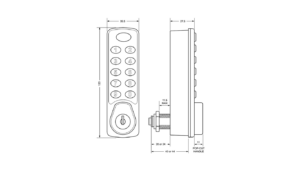
- Wooden and Metal Office Furniture: We offer an extensive range of locks for office furniture, from traditional camlocks and latch locks to advanced keyless solutions.
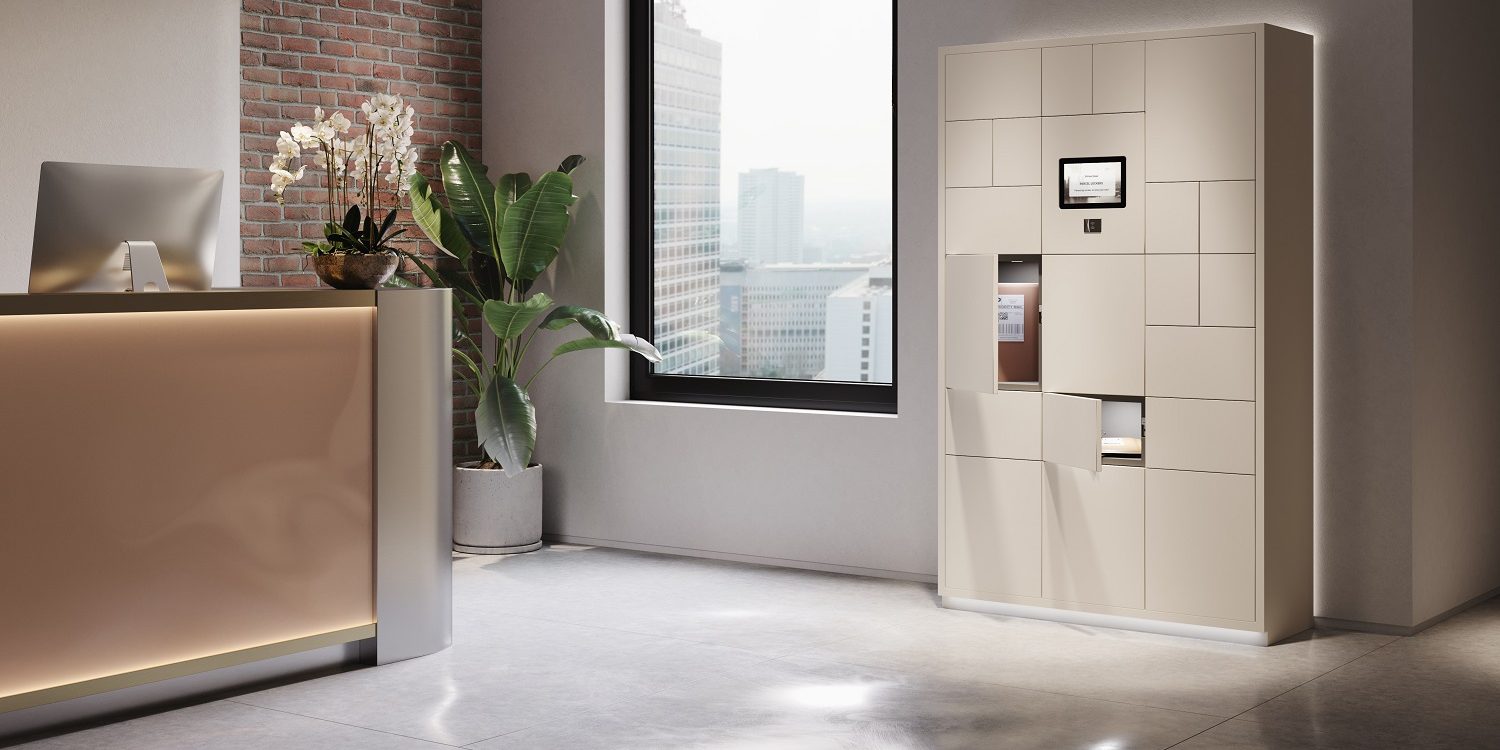
- Smart Lockers for Employees: As workplaces embrace flexible and hybrid working, smart lockers have become essential. Our smart locking systems, compatible with our RAS 2.0 (Remote Allocation System) software, allow facilities managers to remotely manage and allocate lockers, granting access to employees as they come and go without needing to be on site.
Enclosures
Locking systems for enclosures, which are common in power, construction, and IT markets, must provide robust protection against unauthorised access and environmental factors.
- Durability and Resistance: Our specialist range for enclosures includes handles, hinges, and camlocks designed for high performance.
- Weatherproofing: For outdoor or wet area applications, we offer a variety of IP65-rated and water resistant locks. These systems are engineered to withstand the elements, ensuring the integrity of the equipment housed within the enclosure.
Balancing Aesthetics and Security
Specifying the right security solutions is integral to creating environments that balance functionality and aesthetics. By focusing on key factors such as design integration, security requirements, and operational efficiency, architects can enhance the overall value of their projects.
Partnering with Lowe & Fletcher, ensures that your security systems meet the highest standards of performance and innovation, delivering tailored solutions to meet all project requirements.