For architects and designers, both aesthetics and security matter when it comes to locks. From the outline and footprint of a building to the minute details of a window handle, each element is a deliberate choice that contributes to the overall user experience, the building’s narrative and the feeling of a space. Designers of successful projects understand that locking solutions are an integral component of the building’s design. The right lock must provide robust security and reliability while complementing, not compromising, the design vision. This is the delicate balance between security and aesthetics, and why locks for designers and locks for architects are such specialist categories.
Explore locking solutions for architects and designers
Specifier’s Checklist – Locks for Designers and Architects
When evaluating locks, a precise set of criteria ensures the product will perform throughout its lifecycle. Designers and architects should look at the following when specifying locks:
Security Performance
Security is the primary function, but it’s a multi-layered concept.
- Certification and Standards – Look for products that are independently tested and certified to relevant UK and European standards for durability and security, such as EN 1300. This provides an objective measure of performance and reliability.
- Barrel Technology – Specifying a barrel, like those in the Lowe & Fletcher range, designed to prevent the ingress of dust and resist picking attacks, provides peace of mind for both the specifier and the end-user.
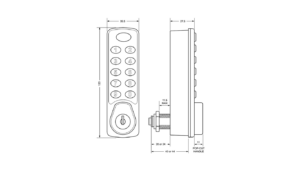
- Key Management – For commercial or multi-tenant projects, issuing and tracking keys can be a significant challenge. Digital, keyless smart locks, such as the ECHO lock, removes the need for physical key management, instead managing access via a central app that can effortlessly grant or remove access.
Aesthetics
The lock must complement the overall design of the rest of the space.
- Form and Profile – The design of the lever or escutcheon should complement the architectural style. A minimalist project may call for a sleek, linear design, while a classic restoration might demand a more discreet design.
- Finish and Material – This is perhaps the most immediate visual factor. Does the finish match or tastefully contrast with other hardware in the building? Nickel, brass, black chrome, or bright chrome finishes let you complement your design choices.
- Discreet Engineering – The most elegant solution is the one you don’t even notice. For modern cabinets and office furniture, low-profile locks or invisible hardware can provide secure access without interrupting clean lines and surfaces.
Functionality
A difficult-to-use lock is likely to be misused or even unintentionally discriminate against people with disabilities or mobility issues.
- Ergonomics – Good ergonomics ensures accessibility for all users and contributes to the overall quality of the design.
- Durability and Cycle Testing – Specifying products rated for high cycles ensures they will not fail prematurely, avoiding costly maintenance.
- Compliance – In any public or commercial building, compliance with regulations such as the Equality Act is essential.
Discover locking solutions for designers and architects
Locking Solutions for Designers and Architects
Tailored locking solutions can address specific project challenges whilst balancing both security and aesthetics. Typical locking solutions that designers and architects have to specify include:
Postal Units & Shared Lockers
Postal units and shared lockers require a solution that withstands frequent use and provides easy access. Specialist locks include:
- Postal Unit Locks – Specifying a high-cycle camlock is ideal. The upper-grade (UGL) range of camlocks is perfect for postal applications, providing enhanced security with up to 10,000 possible combinations. You can also find post box locks, designed so that the user retains the key at all times, as the mailbox can be opened and secured by turning the knob. After each delivery, the lock has to be reset using the key, so the handle cannot be turned or the mailbox accessed until the user returns. Other viable options for parcels, mail and drop boxes include digital keyless, Remote Allocation Systems (RAS) and RFID locks.
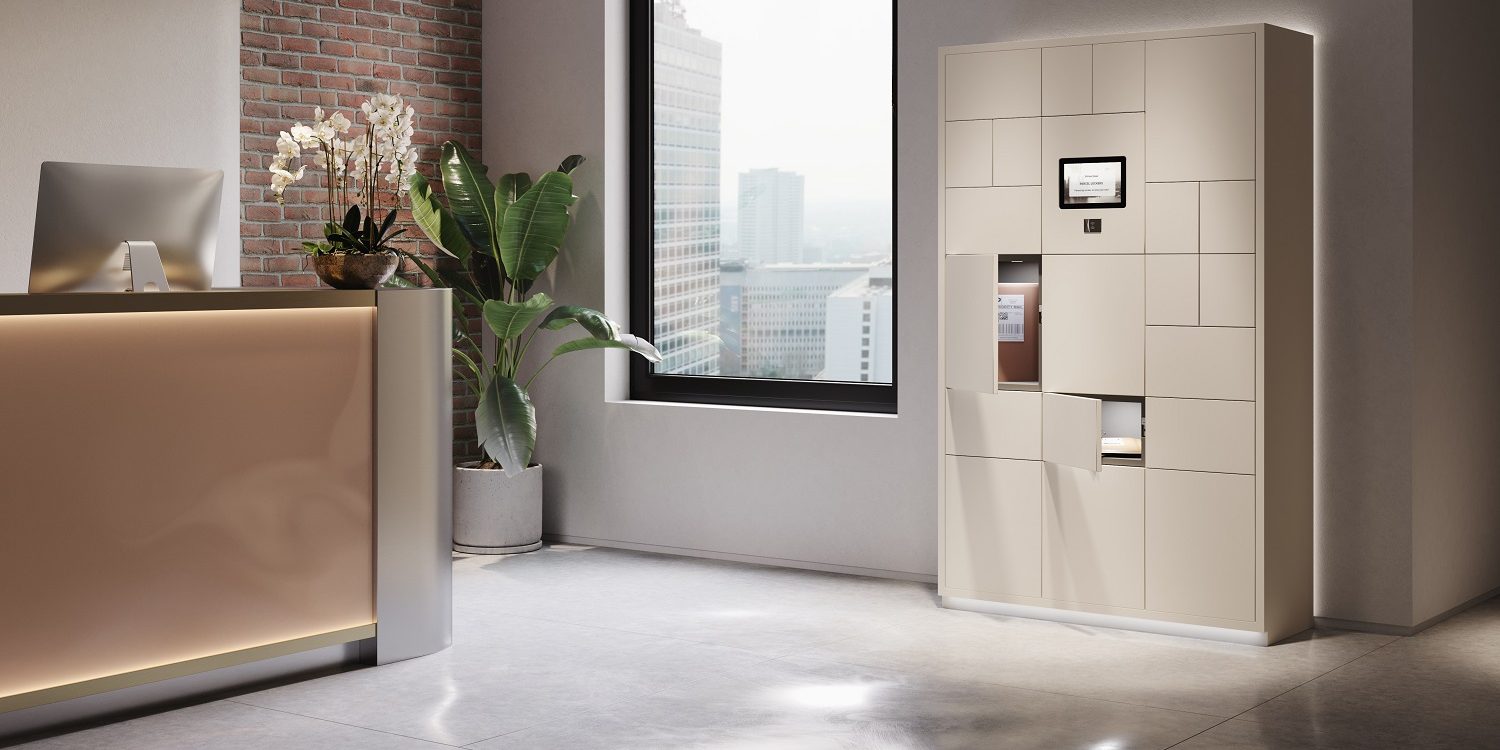
- Public Locker Locks – Mechanical locks such as latch locks, combination locks and coin locks are a simple solution for public lockers, providing robust security even in damp environments and with frequent use. However, keyless digital locks, such as the ECHO lock, Remote Allocation Systems (RAS) and Zodiac Workspace, provide an all-in-one, modern solution for public lockers, allowing access to be granted and revoked in real-time without the need for physical keys.
Why Choose Lowe & Fletcher
For decades, Lowe & Fletcher has been the expert partner for UK architects and designers, striking a balance between security, aesthetics and function.
Our approach is built on three pillars:
- Technical Expertise – We help you select the right locks and provide support for installation challenges.
- Proven Quality & Reliability – Our components are engineered for longevity in our own facilities, ensuring efficient, quality-driven production.
- Aesthetic Versatility – We offer a comprehensive range of products and finishes to align with your design vision.
Balancing security and aesthetics when specifying locks for a design or architectural project can be an interesting challenge. By planning ahead and partnering with an expert manufacturer like Lowe & Fletcher, you can specify locking solutions with confidence.
Need help with your next project? Contact our technical team for bespoke advice on your next design.
Talk to us about locks for designers
FAQs
What are the best locks to use on postal units?
For high-traffic applications like postal units, we recommend high-cycle camlocks (such as our UGL range) for their durability. For a modern, keyless solution, digital or RFID locks are excellent choices for mail and parcel drop boxes.
What locks can you use on public lockers?
You can choose traditional, robust mechanical locks (latch, combination, or coin locks) that perform well in damp environments. For a more advanced solution, keyless digital locks like the ECHO lock allow for real-time access management without the hassle of physical keys or combination resets.
How can I secure office furniture without disrupting the design?
For a seamless look, specify low-profile furniture locks such as push locks, camlocks or latch locks. These are designed to be discreet and maintain clean lines on desk pedestals, cupboards and filing cabinets. For enclosures, Euro profile locks and swing handles offer a clean, customisable security solution.